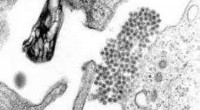
1. Spore Germination: The life cycle begins with a haploid spore (containing one set of chromosomes) landing in a suitable environment and germinating. This produces a hypha, a long, thread-like structure.
2. Mycelial Growth: The hypha grows and branches, forming a network called a mycelium. This is the main vegetative stage of the fungus and is responsible for absorbing nutrients from the environment.
3. Sexual Reproduction: Under favorable conditions, the mycelium can engage in sexual reproduction. This involves the fusion of two hyphae from different individuals, resulting in a zygote. The zygote undergoes meiosis, producing haploid spores.
4. Spore Dispersal: The spores are then released and dispersed into the environment, ready to germinate and begin the cycle anew.
Important notes:
* Not all fungi reproduce sexually. Some fungi reproduce asexually, skipping the sexual reproduction stage and producing spores directly from their mycelia.
* The life cycle can be more complex in some fungi. For example, some fungi may have multiple spore types or may have stages with different ploidy levels (number of chromosome sets).
* These stages are broadly applicable to many fungi, but there can be variations depending on the specific species.
Let me know if you want to delve deeper into the life cycle of a particular type of fungus!