However, if we think about the most common hierarchy, which goes from smallest to largest, it looks like this:
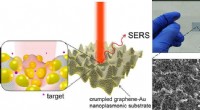
1. Molecules: The smallest level, focusing on the building blocks of life.
2. Cells: The basic unit of life.
3. Tissues: Groups of similar cells working together.
4. Organs: Different tissues coming together for a specific function.
5. Organ Systems: Groups of organs working together.
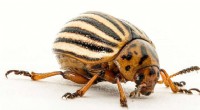
6. Organism: A complete living being.
7. Populations: Groups of the same species in an area.
8. Communities: Different populations interacting in an area.
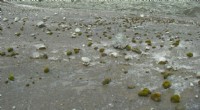
9. Ecosystems: The interactions between communities and their environment.
10. Biosphere: All the ecosystems on Earth.
Therefore, based on this hierarchy, the second largest level of biological study is the organism**.