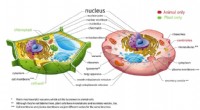
Vacuoles are large, fluid-filled sacs found in plant cells. Unlike animal cells, which have smaller, more numerous vacuoles, plant cells typically have a single, central vacuole that occupies a significant portion of the cell's volume.
Here's a breakdown of how vacuoles work in a plant cell:
1. Maintaining Cell Shape and Rigidity:
* Turgor Pressure: Vacuoles are filled with water and dissolved substances, creating a high internal pressure called turgor pressure. This pressure pushes against the cell wall, giving the cell its rigidity and shape.
* Wilting: When a plant lacks water, the vacuole shrinks, decreasing turgor pressure. This leads to wilting, as the cell walls lose their support.
2. Storage:
* Nutrients: Vacuoles store various nutrients, including sugars, amino acids, and minerals. They act as a reservoir for these essential components, making them readily available for cellular processes.
* Waste Products: Vacuoles also store waste products, keeping them isolated from the rest of the cell and preventing them from interfering with cellular functions.
3. Maintaining Internal Environment:
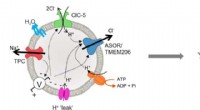
* pH Regulation: Vacuoles help regulate the pH of the cell's cytoplasm by accumulating ions and maintaining a suitable environment for enzyme activity.
* Water Balance: Vacuoles play a vital role in regulating water potential, maintaining the correct water balance within the cell.
4. Defensive Mechanisms:
* Toxins: Some vacuoles store toxins or other defensive compounds, protecting the plant from herbivores or pathogens.
* Pigments: Vacuoles can contain pigments that give flowers their vibrant colors, attracting pollinators for reproduction.
5. Cellular Degradation:
* Hydrolytic Enzymes: Vacuoles contain hydrolytic enzymes that break down cellular debris, worn-out organelles, or invading pathogens, contributing to cellular recycling and defense.
In summary, plant vacuoles are dynamic organelles that perform a wide range of essential functions, from maintaining cell shape and rigidity to storage, regulation, and defense. They are crucial for the survival and optimal functioning of plant cells.