Cells with high energy demands:
* Muscle cells: Muscles need a lot of energy for contraction, especially during intense activity like running or lifting weights.
* Nerve cells (neurons): Neurons use a lot of energy to maintain their electrochemical gradients and transmit nerve impulses.
* Liver cells (hepatocytes): The liver is involved in many metabolic processes, including detoxification and the synthesis of proteins and glucose, which require significant energy.
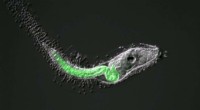
* Sperm cells: Sperm need a lot of energy to propel themselves towards the egg.
* Cells with active transport: Cells that actively pump ions across their membranes (e.g., kidney cells) need more energy.
* Secretory cells: Cells that produce and release large amounts of hormones or other molecules (e.g., pancreatic cells) have a higher demand for energy.
How mitochondria produce energy:
* Mitochondria are the "powerhouses" of cells. They contain the enzymes necessary for cellular respiration, the process that breaks down glucose and other fuels to produce ATP.
* The more mitochondria a cell has, the more ATP it can produce.
In summary: Cells with high energy demands need a greater number of mitochondria to meet their energy requirements.