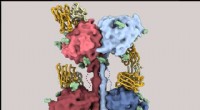
* Mitochondria are the "powerhouses" of the cell: They are responsible for producing ATP (adenosine triphosphate), the primary energy currency of cells.
* Energy-demanding processes: Cells with high energy requirements need to generate a lot of ATP to fuel their activities. This could include:
* Muscle cells: Muscle contraction requires a tremendous amount of energy.
* Nerve cells: Transmission of nerve impulses relies on energy.
* Sperm cells: Sperm cells need energy to propel themselves towards the egg.
* Cells in the liver: The liver performs many metabolic functions, including detoxification, which require energy.
* Cells in the kidneys: Kidneys filter waste products from the blood, a process that requires energy.
Examples:
* Skeletal muscle cells: They have many mitochondria to support muscle contraction.
* Heart muscle cells: These cells have a particularly high concentration of mitochondria to sustain the constant pumping action of the heart.
* Brain cells: Neurons need a lot of energy to maintain their electrochemical gradients and transmit signals.
In contrast, cells with lower energy requirements, like some types of skin cells or fat cells, will have fewer mitochondria.