Here's a breakdown:
* Eukaryotic cells: These are complex cells that have a membrane-bound nucleus and other organelles. Examples include plant, animal, fungal, and protist cells.
* Cytoplasm: This is the gel-like substance that fills the space between the cell membrane and the nucleus. It's where many of the cell's metabolic activities occur.
* Organelles: These are specialized structures within the cytoplasm that perform specific functions. They are essentially "mini organs" within the cell.
Examples of organelles include:
* Nucleus: Contains the cell's genetic material (DNA)
* Mitochondria: Powerhouse of the cell, responsible for energy production
* Ribosomes: Sites of protein synthesis
* Endoplasmic reticulum: Network of membranes involved in protein and lipid synthesis
* Golgi apparatus: Modifies, sorts, and packages proteins
* Lysosomes: Contain enzymes for breaking down waste materials
* Vacuoles: Storage compartments for water, nutrients, and waste
* Chloroplasts (in plant cells): Sites of photosynthesis
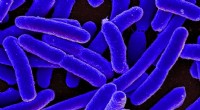
Prokaryotic cells (like bacteria and archaea) do not have membrane-bound organelles. They have simpler structures and their functions are carried out by the cell membrane and cytoplasm.