* S phase (Synthesis Phase): This is the stage where DNA replication occurs. To accurately copy the entire genome, a vast array of genes are actively transcribed and translated. These include:
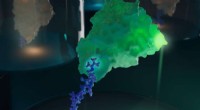
* DNA polymerase: The enzyme responsible for building new DNA strands.
* Other replication proteins: Enzymes involved in unwinding DNA, stabilizing the replication fork, and repairing any errors.
* Histone proteins: Proteins that package and organize DNA into chromosomes.
* Other Phases: While other phases have gene activity, it's less intensive than S phase:
* G1 (Gap 1): This phase is focused on cell growth and preparing for DNA replication. Some genes are active, but not at the same level as S phase.
* G2 (Gap 2): This phase focuses on preparing for mitosis, and while some genes are active, the focus is on cell growth and checking for errors before division.
* M (Mitosis): This is the stage where the cell divides. While some genes are active, the focus is on coordinating the division process, not widespread gene expression.
In summary: S phase is the most active period for gene action during the cell cycle because it requires a massive coordinated effort to duplicate the entire genome with high fidelity.