1. DNA Analysis:
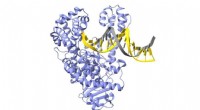
* Forensic DNA Analysis: This is a cornerstone of forensic science, used for identifying individuals, linking suspects to crime scenes, and establishing parentage. Biotechnology provides the tools and techniques for DNA profiling, including PCR (polymerase chain reaction) and STR (short tandem repeat) analysis.
* Forensic Genetics: This field analyzes genetic markers to establish identity and reconstruct events. Bioinformatic tools and databases are crucial in interpreting genetic data for forensic applications.
2. Biotechnology in Forensic Investigations:
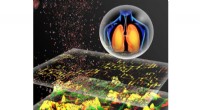
* Microbiome Analysis: The study of the microorganisms in the human body can help identify the location of a crime or even connect suspects to a crime scene based on their unique microbial signatures.
* Drug Testing: Biotechnology allows for accurate and sensitive drug testing for forensic purposes, detecting illicit drugs, alcohol, and other substances in biological samples.
* Forensic Toxicology: Biotechnology techniques are used to identify poisons, toxins, and drugs in biological samples and determine their potential role in a crime.
* Forensic Anthropology: DNA analysis and other biotechnology tools help identify skeletal remains, determine age, sex, and ancestry, and reconstruct the circumstances of death.
3. Biotechnology in Crime Prevention:
* Biometrics: Biotechnology plays a significant role in biometric identification systems, including fingerprint analysis, facial recognition, and iris scanning, used for security and crime prevention.
* Genetic Screening: In some cases, genetic screening can be used to identify individuals with a predisposition to certain criminal behaviors, but this is a highly sensitive and controversial area.
4. Biotechnology in Legal Proceedings:
* Expert Testimony: Forensic scientists with expertise in biotechnology provide crucial testimony in legal proceedings, explaining complex scientific evidence to juries and judges.
* Legal Disputes: Biotechnology can be used to resolve legal disputes involving paternity, inheritance, and other matters.
Challenges and Ethical Considerations:
* Privacy: The use of genetic information in forensic investigations raises concerns about privacy and potential misuse.
* Accuracy: Ensuring the accuracy and reliability of biotechnology-based forensic techniques is essential to avoid miscarriages of justice.
* Ethical Use: There are ethical implications to consider in the use of biotechnology for forensic purposes, such as the potential for discrimination based on genetic information.
In conclusion, the intersection of forensic science and biotechnology is rapidly evolving, offering new and powerful tools for crime investigation, prevention, and justice. However, it's crucial to address the ethical considerations and ensure the responsible and accurate application of these technologies.