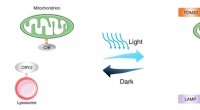
* Mitochondria: Muscles require a lot of energy to contract. Mitochondria are the "powerhouses" of cells, responsible for producing ATP (adenosine triphosphate), the primary energy source for cellular processes. Muscle cells would have many more mitochondria than skin cells.
* Myofibrils: These are specialized protein filaments that give muscle cells their ability to contract. Skin cells do not have myofibrils.
* Glycogen stores: Muscles store glycogen, a complex carbohydrate, to provide fuel for sustained contractions. Skin cells have much lower glycogen stores.
* Blood vessels: Muscle tissue needs a rich blood supply to deliver oxygen and nutrients and remove waste products. This means muscle cells have more blood vessels surrounding them than skin cells.
* Sarcoplasmic reticulum: This is a specialized network of membranes within muscle cells that stores and releases calcium ions, which are essential for muscle contraction. Skin cells do not have a sarcoplasmic reticulum.
In summary: Muscle cells are specialized for movement, requiring a significant amount of energy and a complex internal structure to support contraction. Skin cells, on the other hand, are primarily focused on protection and barrier function.