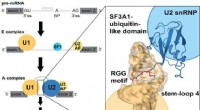
* Clear Representation of Steps: Flowcharts use a series of connected shapes and arrows to depict the sequence of events in a process. This helps visually break down a complex process like cell division into manageable, easily understood steps.
* Emphasis on Order and Relationships: The arrows in a flowchart clearly show the flow of the process, indicating the order in which events occur and how they are connected. This is crucial for understanding cell division, where each stage depends on the previous one.
* Flexibility for Detail: Flowcharts can be detailed or simplified, allowing for different levels of complexity depending on the target audience and the desired level of understanding.
* Commonly Used and Understandable: Flowcharts are a widely recognized visual tool, making them easy for most people to interpret and understand.
While other figures like diagrams and illustrations can also be helpful, flowcharts offer the most direct and effective way to visualize the sequential nature of complex processes like cell division.