1. Mediterranean Forests, Woodlands, and Scrub: This is the dominant biome in Greece, covering most of the mainland and islands. It's characterized by:
* Hot, dry summers: Temperatures can reach 30-40°C.
* Mild, wet winters: Rainfall is concentrated in winter, with temperatures averaging 10-15°C.
* Evergreen shrubs and trees: Olive trees, cypress, mastic trees, and various shrubs are common.
* Fire-adapted vegetation: Many plants have adapted to survive frequent wildfires.
2. Temperate Broadleaf and Mixed Forests: Found in higher elevations, mainly in the Pindos Mountains, these forests are characterized by:
* Cooler temperatures: Summers are shorter and milder, with average temperatures around 20°C.
* Higher rainfall: Annual rainfall can exceed 1000 mm.
* Deciduous trees: Oak, beech, maple, and chestnut are common.
3. Alpine and Subalpine Shrubland: Found in the highest elevations of the mountains, these areas are characterized by:
* Cold temperatures: Winters are long and snowy.
* Sparse vegetation: Adapted to harsh conditions, with shrubs, grasses, and some low-lying trees.
4. Coastal Areas: Greece has extensive coastline, with different habitats:
* Sand dunes: Found along the coast, with specialized plants adapted to sandy conditions.
* Salt marshes: Found in areas with brackish water, with salt-tolerant plants.
* Rocky shores: Home to diverse marine life, including algae, corals, and fish.
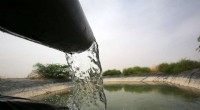
5. Freshwater Habitats: Greece has several rivers and lakes, supporting a variety of aquatic life:
* Rivers: Flowing water creates unique habitats for fish, amphibians, and insects.
* Lakes: Still water allows for the development of diverse plant and animal communities.
Overall, Greece's varied biomes are a result of its unique geographical location, climate, and history. This diversity makes Greece a fascinating study area for botanists, zoologists, and ecologists alike.