1. Protection of the DNA: DNA is the primary genetic material and needs to be protected from damage. Using RNA as an intermediary allows the DNA to remain safely stored in the nucleus, while the RNA copy can be sent out to the ribosomes for protein synthesis. This minimizes the risk of DNA damage during the translation process.
2. Increased flexibility and efficiency: RNA is a single-stranded molecule, making it more flexible and easier to manipulate than the double-stranded DNA. This flexibility allows for faster and more efficient transcription and translation processes.
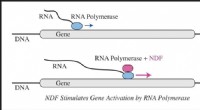
3. Regulation of gene expression: The use of mRNA provides a level of control over gene expression. The cell can regulate the amount of mRNA produced for a particular gene, thereby controlling the amount of protein synthesized. This allows for fine-tuning of protein production based on the cell's needs.
4. Temporal and spatial control: RNA molecules can be transported to different parts of the cell, allowing for localized protein synthesis. This is particularly important for cells with specialized functions, where specific proteins are needed in different compartments. Additionally, mRNA can be degraded at different rates, providing temporal control over protein production.
5. Evolutionary advantage: The use of mRNA allows for faster evolution. Mutations in DNA can be tested without directly altering the original genetic material. This allows for more rapid adaptation to environmental changes.
6. Potential for further processing: mRNA can be modified after transcription, such as through splicing and polyadenylation, which can further regulate gene expression and protein synthesis.
7. Versatility: RNA is a highly versatile molecule and can perform diverse functions beyond serving as a messenger for protein synthesis. It can act as a catalytic enzyme (ribozyme), regulate gene expression, and participate in other cellular processes.
Overall, using an RNA copy of a portion of the DNA molecule for protein synthesis is a highly efficient and versatile system that provides several advantages in terms of protecting the DNA, regulating gene expression, and facilitating rapid evolution.