Research-focused:
* Molecular Biologists: Study the structure and function of molecules within living organisms, often focusing on DNA, RNA, and proteins.
* Cellular Biologists: Examine the structure, function, and behavior of cells, the fundamental building blocks of life.
* Geneticists: Investigate the inheritance and variation of genes, often focusing on genetic diseases and mutations.
* Biochemists: Explore the chemical processes that occur within living organisms, studying enzymes, metabolism, and other biochemical reactions.
* Microbiologists: Study microorganisms like bacteria, fungi, and viruses, including their role in health, disease, and the environment.
* Immunologists: Examine the body's immune system and its response to pathogens, including the development of vaccines and treatments for immune disorders.
* Developmental Biologists: Investigate the processes of growth and development in organisms from conception to adulthood.
* Neurobiologists: Explore the structure, function, and development of the nervous system, including the brain and its role in behavior, cognition, and disease.
* Ecologists: Study the interactions between organisms and their environment, often focusing on conservation and environmental issues.
Applied Fields:
* Biomedical Scientists: Conduct research and develop new diagnostic tests, treatments, and therapies for human diseases.
* Pharmaceutical Scientists: Develop and test new drugs and other pharmaceutical products.
* Forensic Scientists: Apply scientific methods to analyze evidence in criminal investigations, often focusing on DNA analysis and other biological materials.
* Agricultural Scientists: Improve crop yields, develop pest-resistant plants, and study animal health and production.
* Biotechnology Scientists: Develop and apply biological technologies for various purposes, including agriculture, medicine, and environmental remediation.
Other:
* Biostatisticians: Apply statistical methods to analyze biological data and design research studies.
* Bioinformaticians: Use computer science and mathematics to analyze and interpret large biological datasets.
This is just a small sample of the diverse field of biology. Many biologists work in specialized areas, often collaborating with researchers from other disciplines like chemistry, physics, and medicine.
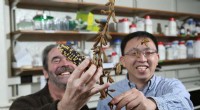
Keep in mind that the specific type of biologist working in a particular laboratory will depend on the research or applications being conducted.