* Energy Release Control: Directly burning glucose in a single step would release a massive amount of energy all at once, which cells couldn't handle. It would create too much heat and damage vital cellular components. By breaking down glucose gradually, cells can capture the energy in smaller, more manageable increments.
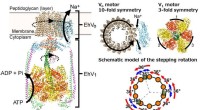
* Efficiency: Breaking down glucose in stages allows for the capture of more energy. Each step is catalyzed by specific enzymes, which ensure that the energy released is efficiently used to create ATP (adenosine triphosphate), the cell's energy currency.
* Regulation: The multi-step process allows for tight regulation. Cells can control the rate of respiration based on their energy needs. This ensures that energy production matches the demands of the cell at any given time.
* Metabolic Flexibility: Different stages of cellular respiration can utilize various fuels besides glucose, such as fatty acids and amino acids. This flexibility is crucial for survival during periods of food scarcity or intense physical activity.
* Byproduct Control: The multi-step process ensures that harmful byproducts, such as reactive oxygen species, are generated at minimal levels.
In summary: Cellular respiration is a complex and highly regulated process that involves multiple steps to optimize energy capture, minimize cellular damage, and ensure efficient utilization of energy resources.