Light Microscope:
* Cells: Plant cells, animal cells, bacteria, yeast
* Tissues: Muscle tissue, nerve tissue, epithelial tissue
* Small organisms: Protozoa, algae, small insects
* Internal structures of cells: Nucleus, mitochondria, chloroplasts
* Thin slices of materials: Wood, paper, fabrics
Electron Microscope:
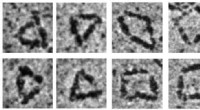
* Viruses: These are too small to be seen with a light microscope.
* Internal structures of cells in great detail: Ribosomes, proteins, DNA strands
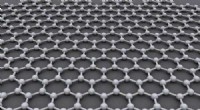
* Crystals: Detailed atomic arrangements
* Nanomaterials: Materials with dimensions in the nanometer range.
Other microscopes:
* Scanning tunneling microscope: Can image individual atoms.
* Atomic force microscope: Can image surfaces at the atomic level.
So, it really depends on the specific structure and the type of microscope used.