Structural Adaptations:
* Camouflage:
* Chameleon: Changes its skin color to blend with its surroundings.
* Arctic Fox: Turns white in winter to hide in snow.
* Stick Insect: Resembles a twig for camouflage.
* Mimicry:
* Viceroy Butterfly: Looks like a Monarch Butterfly to avoid predators.
* Flower Mantis: Resembles a flower to attract prey.
* Body Shape:
* Fish: Streamlined body for efficient swimming.
* Birds: Wings for flying.
* Polar Bear: Thick layer of blubber for insulation in cold climates.
* Defense Mechanisms:
* Porcupine: Quills for protection.
* Skunk: Spraying foul-smelling liquid to deter predators.
* Octopus: Ink cloud to confuse predators.
Physiological Adaptations:
* Hibernation:
* Bears: Reduce their metabolism and body temperature to survive cold winters.
* Ground Squirrels: Sleep through the winter to conserve energy.
* Migration:
* Birds: Fly long distances to find food and breeding grounds.
* Whales: Migrate from cold to warm waters for breeding and feeding.
* Poisonous Venom:
* Snakes: Use venom to paralyze prey.
* Spiders: Use venom to subdue prey.
* Specialized Senses:
* Owls: Excellent night vision for hunting.
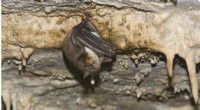
* Bats: Use echolocation to navigate and find prey.
* Snakes: Sensitive heat receptors to detect warm-blooded prey.
Structural Adaptations:
* Cactus: Spines for protection, deep roots to access water, thick, waxy stem to reduce water loss.
* Venus Fly Trap: Modified leaves to trap and digest insects.
* Water Lily: Large, flat leaves for floating on water.
* Pine Needles: Needle-shaped leaves to reduce water loss in dry climates.
* Climbing Vines: Tendrils for clinging to structures to reach sunlight.
Physiological Adaptations:
* Desert Plants: Store water in their tissues, have deep roots to access water.
* Rainforest Plants: Large leaves to capture sunlight, thin bark to allow for faster water uptake.
* Water Plants: Stomata on the upper surface of leaves for gas exchange.
* Sun-loving Plants: Have thick leaves to avoid wilting.
* Shade-tolerant Plants: Have thin, wide leaves to capture available sunlight.
Reproduction Adaptations:
* Wind-pollinated Plants: Have small, inconspicuous flowers with lots of pollen.
* Insect-pollinated Plants: Brightly colored flowers with strong scents to attract pollinators.
* Seed Dispersal: Plants produce fruits with hooks or burs to stick to animals, or wings or parachutes for wind dispersal.
These are just a few examples, and there are many more adaptations that animals and plants have developed to thrive in their unique environments.