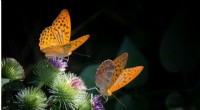
1. Attracting Pollinators:
* Colorful petals: Flowers use vibrant colors to attract insects, birds, and other animals that act as pollinators.
* Sweet fragrance: Many flowers produce sweet scents to entice pollinators from a distance.
* Nectar: Flowers provide nectar, a sugary liquid, as a reward for pollinators.
2. Pollen Production:
* Stamens: The male reproductive parts of a flower, called stamens, produce pollen grains. Pollen grains contain the male gametes (sperm cells).
3. Pollen Transfer:
* Pollination: When a pollinator visits a flower, it picks up pollen on its body. When the pollinator visits another flower of the same species, it transfers the pollen to the female reproductive parts.
4. Fertilization:
* Pistil: The female reproductive part of a flower, called the pistil, receives the pollen.
* Stigma: The sticky top of the pistil, called the stigma, captures the pollen.
* Style: The pollen travels down a tube called the style.
* Ovary: At the base of the pistil is the ovary, which contains the ovules (female gametes).
* Fertilization: When pollen reaches the ovules, the sperm cells from the pollen fertilize the egg cells within the ovules.
5. Seed Development and Fruit Formation:
* Seed: After fertilization, the fertilized ovules develop into seeds.
* Fruit: The ovary often swells and develops into a fruit, which protects and helps disperse the seeds.
In summary: Flowers are specialized structures that facilitate the process of sexual reproduction in plants. They attract pollinators, produce pollen, allow for pollen transfer, and ultimately lead to the formation of seeds and fruits, ensuring the next generation of plants.