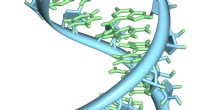
* DNA typically uses thymine (T), while RNA uses uracil (U). The sequence contains "T", which points to DNA.
However, there's no way to definitively tell if this fragment is from a gene or a non-coding region. To determine that, you would need more information about the sequence's context within the genome.
Here's why this is important:
* Genes: These sequences code for proteins.
* Non-coding regions: These sequences may have regulatory functions, or they might be simply "junk" DNA.
In summary: The sequence CAGACT is likely from DNA, but you need more information to know its exact function or origin within the silk moth genome.