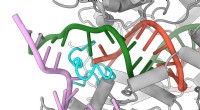
* DNA: The blueprint of life, containing the genetic instructions for building and maintaining an organism. It resides in the nucleus of the cell.
* mRNA: A temporary messenger molecule that carries a copy of a specific gene's instructions from DNA in the nucleus to the ribosomes in the cytoplasm. This is where proteins are assembled.
Here's how it works:
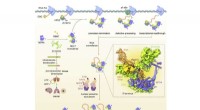
1. Transcription: DNA's genetic code is copied into mRNA. This happens in the nucleus.
2. mRNA processing: The mRNA molecule undergoes some modifications to prepare it for translation.
3. Translation: mRNA travels to the ribosomes, where the genetic code is "read" and used to build a protein.
Key Points:
* DNA is the original blueprint: It contains the permanent genetic code.
* mRNA is a temporary copy: It carries the instructions for a specific protein, and its lifespan is short.
* DNA and mRNA have different structures: They are both nucleic acids, but they have different sugar molecules (deoxyribose in DNA vs. ribose in RNA) and base pairings (thymine in DNA vs. uracil in RNA).
In summary, mRNA is a key player in protein synthesis, but it's not a permanent copy of DNA's genetic code. It's a temporary message that allows the cell to use the DNA blueprint to make the proteins it needs.