1. Microorganisms:
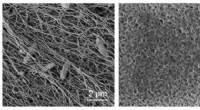
* Bacteria and Fungi: These are the primary decomposers. They have enzymes that break down complex molecules like cellulose, lignin, and proteins into simpler substances they can use for energy.
* Specific Types: Different types of microorganisms specialize in breaking down different materials. For example, some bacteria excel at breaking down carbohydrates, while others are better at digesting fats or proteins.
2. Environmental Factors:
* Temperature: Most microorganisms thrive in a specific temperature range. Optimal temperatures encourage their growth and decomposition.
* Moisture: Microorganisms need water for their metabolic processes. Wet environments generally promote biodegradation.
* Oxygen: Aerobic bacteria require oxygen to function, while anaerobic bacteria can thrive in oxygen-deprived environments.
* pH: The acidity or alkalinity of the environment can impact microbial activity.
* Nutrients: Microorganisms need nutrients like nitrogen and phosphorus to grow and decompose effectively.
3. Material Properties:
* Chemical Composition: Some materials, like cellulose and starch, are readily broken down, while others like plastics are more resistant.
* Surface Area: A greater surface area exposes more material to microorganisms, increasing the rate of biodegradation.
* Presence of Inhibitors: Some chemicals, like pesticides, can inhibit microbial activity and slow down biodegradation.
The Biodegradation Process:
1. Initial Breakdown: Microorganisms release enzymes that break down the complex molecules in the material.
2. Intermediate Products: The initial breakdown produces simpler molecules.
3. Final Breakdown: The simpler molecules are further broken down into carbon dioxide, water, and other inorganic substances.
Factors Affecting Biodegradation Rate:
* Type of material: Some materials are inherently more biodegradable than others.
* Environmental conditions: Temperature, moisture, and oxygen availability play a crucial role.
* Presence of microorganisms: The abundance and type of microorganisms present can significantly influence the rate.
Key takeaway: Biodegradation is a complex process driven by the interplay of microorganisms and environmental factors. Understanding these factors can help us design more sustainable products and manage waste effectively.