* Respiration is the process of breaking down glucose in the presence of oxygen to release energy (ATP).
* Photosynthesis is the process plants use to convert sunlight, water, and carbon dioxide into glucose and oxygen.
Fermentation is an anaerobic process, meaning it occurs in the absence of oxygen. It's a way for cells to generate a small amount of energy from glucose when oxygen is not available. While fermentation does involve breaking down glucose like respiration, it doesn't use oxygen and produces different end products (like lactic acid or ethanol) instead of the carbon dioxide and water produced by respiration.
Here's a simple analogy:
* Respiration: Burning wood in a fireplace to generate heat and light (energy).
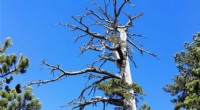
* Photosynthesis: A tree using sunlight to grow.
* Fermentation: Burning wood in a low-oxygen environment (like a campfire with little air) to generate a small amount of heat, but also producing smoke and char.
Key Differences:
| Feature | Respiration | Photosynthesis | Fermentation |
|---|---|---|---|
| Oxygen Requirement | Aerobic (requires oxygen) | Aerobic (requires light) | Anaerobic (no oxygen) |
| Energy Yield | High | High | Low |
| End Products | Carbon dioxide, water | Glucose, oxygen | Lactic acid, ethanol, or other organic acids |
In summary: While fermentation shares some similarities with respiration, it is a distinct process that occurs without oxygen and yields far less energy.