Here's a breakdown:
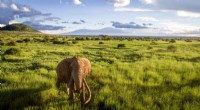
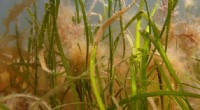
* Biotic factors: These are the living components of an ecosystem, including plants, animals, fungi, bacteria, and microorganisms.
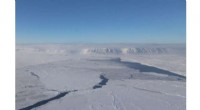
* Abiotic factors: These are the non-living components of an ecosystem, such as sunlight, temperature, water, soil, and air.
The interactions between these biotic and abiotic factors create a complex and dynamic web of life. For example, plants use sunlight to photosynthesize, providing food for herbivores, which in turn are eaten by carnivores. These interactions influence the distribution and abundance of organisms within the ecosystem, and ultimately contribute to its overall health and stability.