Nonvascular Plants:
* Lack specialized vascular tissues (xylem and phloem): These tissues are responsible for transporting water and nutrients throughout the plant.
* Limited in size: Without vascular tissues, nonvascular plants can't transport water and nutrients efficiently over long distances, limiting their size.
* Live in moist environments: They rely on diffusion and osmosis for water and nutrient uptake, so they need to live in humid environments where these processes can occur easily.
* Examples: Mosses, liverworts, and hornworts.
Vascular Plants:
* Possess specialized vascular tissues (xylem and phloem): Xylem transports water and minerals upwards from the roots, while phloem transports sugars produced by photosynthesis throughout the plant.
* Larger in size: Vascular tissues allow efficient transport of water and nutrients over long distances, enabling them to grow tall.
* Can live in drier environments: They can obtain water from the soil through their roots and transport it to all parts of the plant, allowing them to survive in drier habitats.
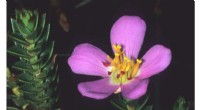
* Examples: Ferns, gymnosperms (conifers), and angiosperms (flowering plants).
Here's a table summarizing the key differences:
| Feature | Nonvascular Plants | Vascular Plants |
|---|---|---|
| Vascular Tissues | Absent | Present (xylem and phloem) |
| Size | Small | Larger |
| Habitat | Moist environments | Variety of habitats |
| Water Transport | Diffusion and osmosis | Through xylem |
| Nutrient Transport | Diffusion and osmosis | Through phloem |
In essence, the presence or absence of vascular tissues defines the fundamental difference between nonvascular and vascular plants and dictates their size, distribution, and overall life strategy.