1. Natural Selection: This is the most fundamental mechanism of evolution. It describes the process where individuals with traits better suited to their environment are more likely to survive and reproduce, passing on those advantageous traits to their offspring. This leads to gradual changes in a population over time.
2. Genetic Drift: This refers to random fluctuations in gene frequencies within a population. It's particularly impactful in smaller populations where chance events can have a larger effect on the overall gene pool. Genetic drift can lead to the loss of alleles (versions of genes) or the fixation of certain alleles, even if they aren't necessarily advantageous.
3. Gene Flow: This involves the movement of genes between populations. It can occur through migration, interbreeding, or the exchange of genetic material. Gene flow can introduce new alleles into a population or alter the frequencies of existing alleles, influencing the evolutionary trajectory of a species.
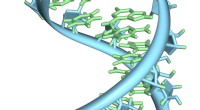
4. Mutation: Mutations are changes in the DNA sequence. While most mutations are neutral or harmful, some can be beneficial. These beneficial mutations can provide new traits that enhance survival or reproduction, leading to evolutionary change.
5. Sexual Selection: This is a special form of natural selection where the preference of one sex for certain traits in the other sex influences reproductive success. This can lead to the evolution of extravagant features like colorful plumage in birds or elaborate courtship displays in many species.
It's important to remember that these "types" of evolution often interact. Natural selection can act upon mutations, genetic drift can be influenced by gene flow, and so on. Understanding the complex interplay of these forces helps us to fully grasp the intricate nature of evolution.