Here's why:
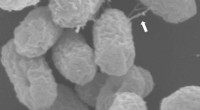
* Cells: The basic building blocks of life.
* Tissues: Groups of similar cells that work together to perform a specific function. For example, muscle tissue contracts, nervous tissue transmits signals, and epithelial tissue forms linings.
* Organs: Made up of different tissues working together to perform a complex function. For example, the heart is an organ made of muscle tissue, connective tissue, and nervous tissue.
* Organ Systems: Groups of organs working together to carry out major life functions. For example, the digestive system breaks down food, the circulatory system transports blood, and the nervous system controls and coordinates the body.
So, the organization goes from the simplest level of cells, to tissues, to organs, and finally to organ systems. This hierarchical organization allows for complex and efficient functioning in organisms.