Increased Specialization and Efficiency:
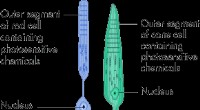
* Division of Labor: Complex organisms have specialized cells, tissues, organs, and organ systems. This allows for specific functions to be performed more efficiently, leading to greater overall efficiency. For example, a digestive system focuses on breaking down food, while the circulatory system focuses on transporting nutrients and oxygen.
* Enhanced Metabolism: Complex organisms have a higher metabolic rate, allowing them to utilize energy more efficiently and grow and reproduce more rapidly.
* Improved Sensory Capabilities: Specialized sensory organs and nervous systems allow complex organisms to gather information from their environment more effectively and respond to changes quicker. This enhances their ability to find food, avoid danger, and navigate their surroundings.
Enhanced Adaptability and Resilience:
* Greater Environmental Tolerance: Complex organisms can adapt to a wider range of environmental conditions, including temperature, humidity, and food availability.
* Improved Defense Mechanisms: Complex organisms have evolved intricate immune systems and physical defenses that allow them to resist disease and predation.
* Enhanced Repair and Regeneration: Complex organisms often have more advanced repair mechanisms that allow them to recover from injuries more efficiently.
Enhanced Reproductive Success:
* Greater Offspring Survival: Complex organisms often have more intricate parental care strategies and offspring development processes, leading to higher offspring survival rates.
* Wider Geographic Range: Complex organisms can often colonize a broader range of habitats due to their greater adaptability and resilience.
Social and Behavioral Advantages:
* Complex Social Structures: Many complex organisms, particularly those with large brains, form intricate social groups with communication and cooperative behaviors. This can lead to greater success in hunting, raising offspring, and defending territory.
* Cognitive Abilities: Complex brains allow for advanced cognitive abilities, including learning, problem-solving, and memory. This allows for greater adaptability and innovation in response to environmental challenges.
However, complexity comes at a cost:
* Increased Energy Requirements: Complex organisms require more energy to maintain their intricate structures and functions.
* Slower Reproduction Rates: Complex organisms typically have longer gestation periods and fewer offspring compared to simpler organisms.
* Greater Susceptibility to Disease: Complex organisms have a greater chance of developing diseases due to their complex systems.
Ultimately, the advantages of complexity outweigh the disadvantages, allowing complex organisms to thrive in diverse environments and exhibit a wide range of adaptations and behaviors.