1. Nutrient Cycling:
* Decomposition: Detritus feeders break down complex organic matter into simpler substances, making nutrients like nitrogen, phosphorus, and carbon available for other organisms.
* Recycling: They return these nutrients back to the soil and water, where they can be taken up by plants and other organisms. This cycle ensures that nutrients are continuously reused within the ecosystem.
2. Energy Flow:
* Energy Transfer: Detritus feeders obtain energy by consuming dead organic matter. This energy is then passed on to higher trophic levels when they are consumed by predators.
* Food Webs: They are a key component of food webs, providing a food source for many animals, including earthworms, insects, and some vertebrates.
3. Ecosystem Stability:
* Soil Health: Detritus feeders, particularly earthworms, contribute significantly to soil health by improving aeration, drainage, and water retention.
* Waste Management: They help decompose waste products, preventing the accumulation of harmful substances in the environment.
Examples of Detritus Feeders:
* Earthworms: Break down decaying leaves and organic matter, improving soil fertility.
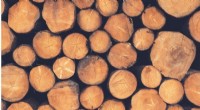
* Millipedes: Feed on decaying wood and leaves, contributing to the breakdown of dead plant material.
* Dung beetles: Consume animal dung, breaking it down and burying it, which adds nutrients to the soil.
* Crabs and lobsters: Scavenge on dead organisms and marine debris on the ocean floor.
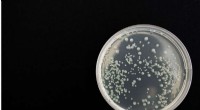
* Fungi and bacteria: Play a crucial role in decomposing organic matter, releasing nutrients back into the environment.
In Conclusion:
Detritus feeders are essential for the proper functioning of ecosystems. They play a vital role in nutrient cycling, energy flow, and ecosystem stability. By breaking down dead organic matter, they ensure the recycling of nutrients, support food webs, and maintain the health of the environment.