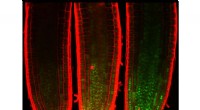
Cell cytotoxicity refers to the ability of a substance or agent to kill cells. This can happen in various ways, often through damaging the cell membrane, interfering with cellular processes, or triggering programmed cell death (apoptosis).
Here's a breakdown of key points:
* Causes: Cytotoxicity can be caused by various factors, including:
* Chemicals: Toxins, heavy metals, drugs, and environmental pollutants
* Biological agents: Viruses, bacteria, fungi, and parasites
* Physical agents: Radiation, heat, and cold
* Immune cells: Cytotoxic T lymphocytes (CTLs) and natural killer (NK) cells
* Mechanisms: Different mechanisms lead to cell death, including:
* Membrane disruption: Damage to the cell membrane causes leakage and cell swelling
* Metabolic disruption: Interference with essential cellular processes like energy production or protein synthesis
* DNA damage: Damage to the cell's genetic material triggers apoptosis or cell cycle arrest
* Apoptosis (programmed cell death): A controlled process where the cell self-destructs
* Necrosis (uncontrolled cell death): A violent death where the cell bursts and releases its contents, causing inflammation
* Consequences: Cell cytotoxicity can lead to various consequences, including:
* Tissue damage: Loss of cells can impair organ function and cause disease
* Inflammation: Release of cellular contents can trigger an inflammatory response
* Immune system dysfunction: Cytotoxicity can impact the immune system's ability to fight infections
* Cancer development: Dysregulation of cell death mechanisms can contribute to cancer growth
Examples of Cytotoxicity in Action:
* Antiviral drugs: Some antiviral medications target viral proteins, leading to viral cell death.
* Chemotherapy: Cancer treatments often utilize cytotoxic drugs to kill rapidly dividing cancer cells.
* Immune system response: Cytotoxic T lymphocytes eliminate infected cells and cancer cells.
* Environmental toxins: Exposure to heavy metals or pesticides can damage cells and lead to disease.
Understanding cell cytotoxicity is crucial for:
* Drug development: Developing drugs that target specific cells and minimize side effects.
* Disease treatment: Designing therapies to eliminate harmful cells and improve patient outcomes.
* Environmental health: Assessing the toxicity of pollutants and mitigating their impact on human health.
While cytotoxicity can be harmful, it's also an essential process for maintaining tissue homeostasis and fighting off pathogens. Understanding its mechanisms helps us to combat disease, develop safer therapies, and protect human health.