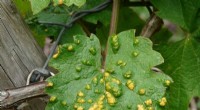
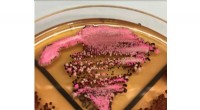
Here's a breakdown:
* Xero means "dry" in Greek.
* -phile means "lover" or "affinity for".
So, xerophiles are literally "dry lovers".
These organisms have adapted to survive in environments with very low water activity (aw), typically less than 0.8. Here are some examples:
* Fungi: Many fungi, like molds and yeasts, can tolerate low moisture environments.
* Bacteria: Some bacteria, including halophilic bacteria (which thrive in salty environments) and some species of *Deinococcus* and *Bacillus*, are known for their xerophilic abilities.
* Algae: Certain algae, like those found in deserts or on rocks, can survive with minimal water.
* Lichens: Lichens are a symbiotic combination of algae and fungi, and many species can grow on dry surfaces like rocks and bark.
Xerophiles have developed various strategies for surviving low water conditions, including:
* Water storage: Some organisms can store water within their cells.
* Reduced water loss: Xerophiles often have tough outer layers to prevent water evaporation.
* Metabolic adaptation: They might use different metabolic pathways that require less water.
* Dormant stages: Some organisms can enter a dormant state to survive until water is available.
Xerophiles can be found in diverse environments like:
* Deserts: The driest places on Earth.
* Salty environments: Like salt flats and brine pools.
* Foods: Xerophilic organisms can spoil foods stored in low-humidity conditions.
* Building materials: They can cause damage to buildings by growing on dry surfaces.
Understanding xerophiles is important for various fields, including:
* Food preservation: Knowing how to prevent their growth in food products.
* Bioremediation: Xerophiles can be used to break down pollutants in dry environments.
* Astrobiology: Studying them can provide insights into life in extreme conditions, like on Mars.