Here's a breakdown of the key features found in plant cells and their respective functions:
1. Cell Wall:
* Function: Provides structural support and protection, maintains cell shape, and prevents over-expansion. Composed of cellulose, hemicellulose, and pectin.
2. Plasma Membrane:
* Function: Regulates the passage of substances into and out of the cell. Acts as a selectively permeable barrier.
3. Cytoplasm:
* Function: A gel-like substance that fills the cell and houses the organelles. Provides a medium for biochemical reactions and cellular movement.
4. Nucleus:
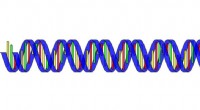
* Function: Contains the cell's genetic material (DNA) in the form of chromosomes. Controls cellular activities and directs protein synthesis.
5. Nucleolus:
* Function: Located within the nucleus, it synthesizes ribosomal RNA (rRNA) and assembles ribosomes.
6. Ribosomes:
* Function: Sites of protein synthesis, translating genetic information from mRNA into proteins. Can be found free in the cytoplasm or attached to the endoplasmic reticulum.
7. Endoplasmic Reticulum (ER):
* Function: A network of interconnected membranes that serves as a transport system within the cell.
* Rough ER: Contains ribosomes and plays a role in protein synthesis and modification.
* Smooth ER: Lacks ribosomes and synthesizes lipids, detoxifies drugs, and stores calcium ions.
8. Golgi Apparatus:
* Function: Modifies, sorts, and packages proteins and lipids synthesized by the ER. Also produces lysosomes and other secretory vesicles.
9. Lysosomes:
* Function: Membrane-bound organelles that contain digestive enzymes. Involved in breaking down cellular debris, worn-out organelles, and foreign substances.
10. Vacuole:
* Function: Large, fluid-filled sac that stores water, nutrients, and waste products. Also helps maintain cell turgor pressure and plays a role in cell growth and development.
11. Chloroplasts:
* Function: Sites of photosynthesis, converting light energy into chemical energy (sugars). Contain chlorophyll, a green pigment that absorbs light.
12. Mitochondria:
* Function: Powerhouses of the cell, responsible for cellular respiration. Generate ATP (adenosine triphosphate), the main energy currency of the cell.
13. Plasmodesmata:
* Function: Channels that connect adjacent plant cells, allowing for communication and exchange of materials.
Note: While these are the key features found in plant cells, there may be variations depending on the specific type of plant and its function.