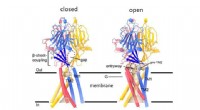
* Both have a cell membrane: This membrane, composed of a phospholipid bilayer, encloses the cell and regulates what enters and exits.
* Both have cytoplasm: This gel-like substance fills the cell and contains the cell's organelles (in eukaryotes) or its genetic material (in prokaryotes).
* Both have ribosomes: These structures are responsible for protein synthesis. While ribosomes differ in size and structure between prokaryotes and eukaryotes, they perform the same fundamental function.
* Both have DNA: This genetic material contains the instructions for building and maintaining the cell. In prokaryotes, DNA is usually circular and found in a region called the nucleoid. In eukaryotes, DNA is linear and packaged into chromosomes within the nucleus.
* Both have basic metabolic processes: Both types of cells perform essential functions like respiration (using energy from nutrients), protein synthesis, and waste removal.
These shared characteristics highlight the fundamental similarities between all living organisms, despite their diverse forms and functions.