1. Expression System:
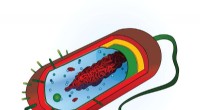
* Bacteria: E. coli is a common choice for producing large quantities of protein. It's relatively inexpensive and grows quickly. You'll need to insert the GFP gene into a bacterial plasmid (a small circular piece of DNA) and select for bacteria containing this plasmid.
* Yeast: Yeast is another good option for protein production, especially for complex proteins that need to be folded correctly.
* Mammalian Cells: Mammalian cells can produce proteins that are more similar in structure and function to human proteins. This can be useful for studying protein function and for creating therapeutic proteins. However, mammalian cell culture is more complex and expensive.
2. Optimization for High Yield:
* Promoter Selection: A strong promoter (DNA sequence that initiates gene transcription) is essential to drive high levels of GFP expression.
* Codon Optimization: The DNA sequence for the GFP gene can be optimized for the host organism's translation machinery to increase protein production.
* Culture Conditions: Adjusting factors like temperature, nutrient supply, and oxygen levels can maximize GFP production.
* Purification Techniques: After the protein is produced, it needs to be isolated and purified from other cellular components. This involves techniques like affinity chromatography, which uses specific antibodies or molecules to bind to the GFP protein and remove contaminants.
3. Scale-Up:
* Fermenters: Once you have a robust expression system, you can scale up production using fermenters, large tanks that allow you to grow bacteria or yeast cells in a controlled environment.
* Bioreactors: For mammalian cell culture, bioreactors are used to provide a controlled environment for cell growth and protein production.
Important Considerations:
* Quality Control: Ensure that the GFP protein produced is pure and meets the required standards.
* Safety: If the GFP is intended for use in research or applications involving humans, it's crucial to ensure its safety through rigorous testing.
Additional Notes:
* The exact steps and techniques will depend on the specific application and the desired quantity of GFP protein.
* It's important to collaborate with experts in protein expression, purification, and quality control to ensure successful and efficient production.
Let me know if you have any other questions. I'm happy to provide more details or explore specific aspects of the process!