1. Lysosomes: These are the "recycling centers" of the cell. They contain powerful enzymes that break down and digest waste products, cellular debris, and even damaged organelles.
2. Peroxisomes: These organelles are involved in breaking down fatty acids and producing hydrogen peroxide, which they then detoxify using the enzyme catalase.
3. Endoplasmic Reticulum (ER): This network of membranes is responsible for protein folding and modification, but also plays a role in detoxifying harmful compounds. The ER contains enzymes that can modify and break down toxins.
4. Mitochondria: While primarily known for their role in energy production, mitochondria also play a part in detoxifying reactive oxygen species (ROS), which are harmful byproducts of metabolism.
5. Cytoplasm: The fluid inside the cell also contains enzymes that can neutralize toxins and break down harmful molecules.
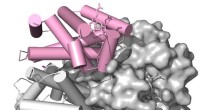
6. Specific Enzymes: Various enzymes within the cell are dedicated to detoxifying specific substances. For example, glutathione S-transferases help neutralize toxins by attaching them to glutathione.
Overall, the cell's detox system is a dynamic and interconnected network of organelles and enzymes that work together to maintain cellular health.
It's important to remember that the term "detox" is often misused and can refer to various practices that are not scientifically proven to be effective or safe. The cell's natural detoxification mechanisms are sufficient for maintaining its health under normal conditions.