* Universal Building Blocks: All life on Earth uses the same basic building blocks for DNA: adenine (A), guanine (G), cytosine (C), and thymine (T). This means we share some common genetic code, but the arrangement and sequence of these bases is what makes us different.
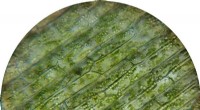
* Shared Ancestry: Humans and grass share a common ancestor that lived billions of years ago. This ancestor was a simple, single-celled organism. Over time, evolution has led to incredibly diverse life forms, including humans and plants.
* Different Functions: The DNA shared between humans and grass serves different functions. For example, some genes related to basic cellular processes, like metabolism, might be similar. However, genes for more complex features like human consciousness or photosynthesis in plants are very different.
Analogy: Imagine you and a friend both have a box of Legos. You might share some basic blocks, but the way you build with them is vastly different. This is like how humans and grass share some DNA but use it to create very different organisms.
In short: We do share some DNA with grass, but the differences in our DNA sequences are far greater than the similarities. This is what makes us distinct species.