By sheer number:
* Soil: The soil is teeming with life, containing a vast number of bacteria, fungi, insects, and other microscopic organisms.
* Ocean: The ocean is home to the majority of Earth's biodiversity, with trillions of microorganisms and countless fish, invertebrates, and marine mammals.
By biomass (total weight):
* Ocean: While individual organisms in the ocean may be smaller, the sheer volume of microscopic organisms (plankton) makes the ocean the largest contributor to Earth's total biomass.
Other Considerations:
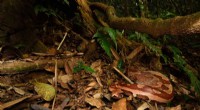
* Tropical Rainforests: These forests are known for their high biodiversity, with a huge variety of plant and animal life.
* Coral Reefs: While relatively small in area, coral reefs are incredibly biodiverse and support a large amount of life.
Ultimately, it's difficult to say definitively where you'll find the largest number of living organisms. It depends on how you define "largest" and "living organisms."
Let me know if you'd like to explore any of these options in more detail!