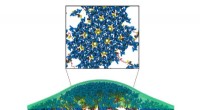
1. Fibrous proteins: These proteins have a long, thin, and stringy structure. They are typically insoluble in water and play structural roles in the body. Examples include collagen (found in skin, bones, and tendons) and keratin (found in hair, nails, and skin).
2. Globular proteins: These proteins are more compact and spherical in shape. They are often soluble in water and perform a variety of functions, including enzymes, hormones, and antibodies. Examples include hemoglobin (carries oxygen in the blood), insulin (regulates blood sugar), and antibodies (fight infections).