1. Political and Geographical:
* A group of people who settle in a new territory and establish a new society. They are often under the political control of their homeland, but may have varying degrees of autonomy.
* The territory itself where these people live. Examples include the British colonies in America or the French colonies in Africa.
2. Biological:
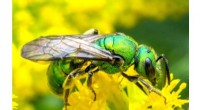
* A group of organisms of the same species living together in a specific location. For example, a colony of ants, a colony of bacteria, or a colony of coral.
3. Other:
* A group of people who share a common interest or goal, often living in a particular place. For example, a colony of artists or a colony of writers.
* In computer science, a group of computers linked together to form a single system.
To understand the meaning of "colonies" in a specific context, you need to consider the surrounding information. For example, if you are reading a history book, "colonies" likely refers to political territories. If you are reading a biology textbook, it likely refers to groups of organisms.
Can you provide me with more context? This will help me give you a more precise answer.