1. Glucose
* Structure: A simple sugar (monosaccharide) with the chemical formula C6H12O6. It's the basic building block for many carbohydrates.
* Function: The primary energy source for our cells.
* Source: Found naturally in fruits, vegetables, and honey.
2. Sucrose
* Structure: A disaccharide, meaning it's made up of two sugar units: glucose and fructose.
* Function: A common table sugar, providing energy.
* Source: Sugarcane and sugar beets are major sources.
3. Cellulose
* Structure: A complex carbohydrate (polysaccharide) made up of long chains of glucose molecules.
* Function: A structural component of plant cell walls, providing rigidity and strength.
* Source: Found in plant fibers like cotton, wood, and vegetables. We cannot digest cellulose.
4. Starch
* Structure: Another complex carbohydrate (polysaccharide) made up of chains of glucose molecules. However, starch has a different structure from cellulose.
* Function: A storage form of energy in plants. It can be broken down into glucose for energy by humans and animals.
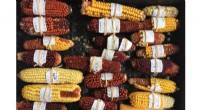
* Source: Found in grains, legumes, potatoes, and other starchy vegetables.
Key Differences:
* Complexity: Glucose is the simplest, followed by sucrose, then starch and cellulose.
* Composition: All are made up of glucose units, but the arrangement and bonding patterns differ.
* Function: Glucose is the direct energy source, sucrose is a source of energy, cellulose is a structural component, and starch is an energy storage.
* Digestibility: Glucose and sucrose are readily digestible, while cellulose is not digestible by humans. Starch is partially digestible.
In summary:
* Glucose: The basic energy unit.
* Sucrose: A common sugar, a source of energy.
* Cellulose: Structural component of plants, indigestible by humans.
* Starch: Energy storage in plants, partially digestible by humans.