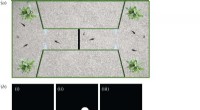
* Random proximity: Cells might simply be located near each other due to chance, with no specific interaction or dependence.
* Transient contact: Cells may briefly come into contact but not have any lasting effect on each other.
* Lack of communication: Even if cells are in close proximity, they might not communicate or exchange signals, resulting in no functional relationship.
It's important to note that even in accidental associations, cells can indirectly influence each other through their environment. For example, one cell might consume resources that another cell needs, even if they don't directly interact.
Here are some examples of accidental associations:
* Bacteria on a leaf: Many bacteria live on plant surfaces, but they don't necessarily have a functional relationship with the plant.
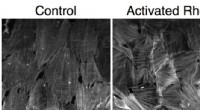
* Different types of cells in a mixed culture: In a laboratory culture, cells of different types might be grown together, but they might not interact significantly.
* Cells in a dead organism: After an organism dies, the cells within it are no longer functional and might not interact with each other.
While accidental associations are common, true functional relationships between cells are essential for the organization and function of multicellular organisms. These relationships are based on communication, cooperation, and interdependence, leading to the development of tissues, organs, and ultimately, complex organisms.