1. Fossil Record:
* Fossil Succession: Fossils appear in a specific order within rock layers, with simpler life forms found in older layers and more complex forms in younger layers. This pattern is consistent with the idea of gradual change over time.
* Transitional Fossils: Fossils that exhibit features of both ancestral and descendant groups provide strong evidence for evolutionary transitions. Examples include Archaeopteryx (transition between dinosaurs and birds), Tiktaalik (transition between fish and amphibians), and Australopithecus (transition between apes and humans).
2. Comparative Anatomy:
* Homologous Structures: Structures with similar underlying anatomy but different functions in different species (like the bones in a bat wing, whale flipper, and human arm) suggest common ancestry.
* Vestigial Structures: Structures that have lost their original function in a species (like the appendix in humans or the pelvic bones in whales) are remnants of ancestral structures.
3. Molecular Biology:
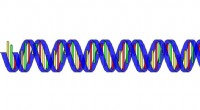
* DNA and Genetic Similarity: Closely related species share more DNA sequences than distantly related species, providing a molecular basis for evolutionary relationships.
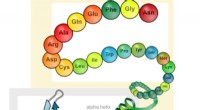
* Universal Genetic Code: The genetic code used to translate DNA into proteins is almost identical across all living organisms, indicating a shared ancestry.
4. Biogeography:
* Distribution of Species: The geographical distribution of organisms often reflects their evolutionary history. For example, the unique flora and fauna of islands are often related to species found on nearby continents, suggesting that they evolved from those ancestral populations.
* Continental Drift: The theory of plate tectonics explains the geographical distribution of fossils and living organisms, supporting the idea of evolution and migration over time.
5. Artificial Selection:
* Selective Breeding: Humans have selectively bred plants and animals for desired traits, resulting in significant changes in their physical characteristics over time. This demonstrates the power of natural selection in driving evolutionary change.
6. Natural Selection in Action:
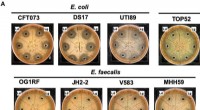
* Evolutionary Adaptation: Examples of natural selection in action can be observed in populations of organisms that adapt to changing environments, such as antibiotic resistance in bacteria or the development of pesticide resistance in insects.
7. Developmental Biology:
* Comparative Embryology: The similarities in the early development of embryos of different species further support the concept of shared ancestry.
8. Paleontology:
* Extinction: The fossil record shows that many species have gone extinct over time. This supports the idea of evolution as a process of change, adaptation, and survival.
It's important to note that:
* The theory of evolution is supported by a vast body of evidence from multiple disciplines.
* Evolution is a scientific theory, which means it is a well-supported explanation of natural phenomena based on extensive evidence.
* The theory of evolution continues to be refined and expanded as new evidence is gathered.
By studying these different lines of evidence, scientists can reconstruct the evolutionary history of life on Earth and understand the processes that have shaped the diversity of living organisms.