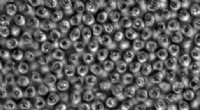
* Adipose Cells are Fat Storage Cells: Adipose cells, also known as fat cells, are specialized for storing energy in the form of triglycerides (fat).
* Triglycerides are Hydrophobic: Triglycerides are made up of glycerol and three fatty acid chains. These molecules are hydrophobic, meaning they don't mix well with water.
* Lipid Droplet Formation: To keep these hydrophobic molecules separate from the cell's watery environment, they aggregate together and form a large, central lipid droplet. This droplet is surrounded by a thin layer of phospholipids and proteins.
The Importance of the Lipid Droplet:
* Energy Storage: The lipid droplet acts as a reservoir of energy. When the body needs energy, the stored triglycerides are broken down into fatty acids and released into the bloodstream.
* Insulation: Adipose tissue provides insulation, helping to maintain body temperature.
* Protection: Fat pads cushion and protect internal organs.
Why it Appears White:
* Light Scattering: The lipid droplet, being composed mostly of fat, scatters light differently than the rest of the cell, making it appear white under a microscope.
* Contrast: This white area contrasts sharply with the surrounding cell cytoplasm, making it highly visible.
So, the large white area in an adipose cell is not empty space but rather a concentrated storehouse of energy, reflecting the cell's primary function of fat storage.