Abiotic Factors:
* Definition: Non-living components of an ecosystem. They are physical and chemical factors that influence the environment.
* Examples:
* Sunlight: Provides energy for photosynthesis
* Temperature: Affects metabolic rates of organisms
* Water: Essential for life processes
* Air (gases): Oxygen for respiration, carbon dioxide for photosynthesis
* Soil: Provides nutrients and support for plants
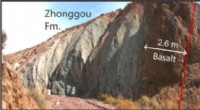
* Rocks: Affect soil composition and topography
* Minerals: Nutrients essential for plant growth
* pH: Acidity or alkalinity of soil and water
* Salinity: Salt concentration in water
Biotic Factors:
* Definition: Living components of an ecosystem. They are the organisms within the environment.
* Examples:
* Plants: Producers, forming the base of the food chain
* Animals: Consumers, feeding on other organisms
* Bacteria: Decomposers, breaking down dead organic matter
* Fungi: Decomposers and parasites
* Protists: Diverse group of single-celled organisms
Key Differences:
* Living vs. Non-living: Abiotic factors are non-living, while biotic factors are living.
* Interaction: Abiotic factors influence the distribution and survival of biotic factors. Biotic factors interact with each other and their environment.
* Ecosystem Function: Abiotic and biotic factors work together to create a balanced and functioning ecosystem.
Think of it this way: Imagine a forest. The abiotic factors are things like the sunlight filtering through the trees, the soil beneath your feet, and the air you breathe. The biotic factors are the trees themselves, the animals that live there, and the fungi and bacteria that break down dead leaves.
Let me know if you'd like more examples or have any other questions!