Female Gametes (Egg Cells):
* Ovary: This is the swollen base of the pistil (the female reproductive structure of a flower). Inside the ovary, you'll find one or more ovules.
* Ovule: Each ovule contains a single egg cell, which is the female gamete. The ovule will develop into a seed after fertilization.
Male Gametes (Sperm Cells):
* Anther: This is the pollen-producing part of the stamen (the male reproductive structure of a flower).
* Pollen Grain: The anther produces pollen grains, which contain the male gametes. Each pollen grain houses two sperm cells.
The Process of Fertilization:
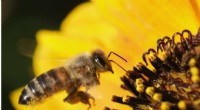
1. Pollination: Pollen grains are transferred from the anther to the stigma (the sticky tip of the pistil).
2. Pollen Tube Growth: Once a pollen grain lands on the stigma, it germinates and grows a pollen tube down the style (the stalk of the pistil) towards the ovary.
3. Fertilization: The pollen tube reaches an ovule and releases the two sperm cells. One sperm fertilizes the egg cell, forming a zygote (the first cell of the new plant embryo). The other sperm fuses with another cell in the ovule to form the endosperm, which provides nourishment for the developing embryo.
Important Note:
* Not all plants have flowers! Conifers, for example, reproduce using cones. However, the principle of male and female gametes is the same. In conifers, pollen is released from male cones, and female cones contain ovules.
* Some plants are capable of self-pollination (pollen from the same plant fertilizing its own ovules), while others require cross-pollination (pollen from a different plant).
Let me know if you'd like to explore any of these concepts further!