* Ribosomes: These are the protein synthesis factories of the cell, but are too small to be seen with a light microscope.
* Endoplasmic Reticulum (ER): This network of membranes is responsible for protein and lipid synthesis, but its intricate structure is only revealed by the higher resolution of electron microscopy.
* Golgi Apparatus: This organelle modifies, sorts, and packages proteins, and its stacked membrane structures are only visible under electron microscopy.
* Lysosomes: These are the "recycling centers" of the cell, containing enzymes that break down cellular waste and debris.
* Peroxisomes: These organelles are involved in a variety of metabolic reactions, including the breakdown of fatty acids and detoxification.
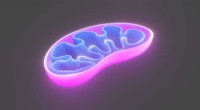
* Mitochondria: These are the "powerhouses" of the cell, generating energy through cellular respiration. While you can sometimes see mitochondria as small dots in a light microscope, their internal structure (cristae) is only visible with an electron microscope.
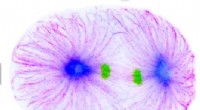
* Centrioles: These cylindrical structures are involved in cell division.
* Microtubules and Microfilaments: These are protein fibers that make up the cytoskeleton, providing structure and support to the cell.
Why can't these organelles be seen with a light microscope?
Light microscopes use visible light to illuminate and magnify objects. The resolution of a light microscope is limited by the wavelength of visible light, which is around 400-700 nanometers.
Organelles like ribosomes, ER, and Golgi are significantly smaller than the wavelength of visible light, so they cannot be resolved by a light microscope.
Electron microscopes, on the other hand, use a beam of electrons to illuminate and magnify specimens. The wavelength of electrons is much smaller than that of visible light, allowing for much higher resolution and the visualization of much smaller structures.