Negative Impacts:
* Pollution:
* Plastic: Ocean plastic pollution is a major crisis, harming marine life through entanglement, ingestion, and habitat degradation.
* Chemical Runoff: Industrial and agricultural runoff carries fertilizers, pesticides, and other chemicals into waterways, leading to algal blooms, oxygen depletion, and toxic contamination.
* Oil Spills: Accidental oil spills cause immediate and long-term damage to marine ecosystems.
* Noise pollution: Shipping, sonar, and other human activities create underwater noise that disrupts marine animal communication and behavior.
* Climate Change:
* Ocean Acidification: Increased CO2 absorption by the ocean leads to a decrease in pH, impacting the ability of marine organisms to build shells and skeletons.
* Sea Level Rise: Melting glaciers and ice sheets contribute to rising sea levels, threatening coastal communities and ecosystems.
* Warming Waters: Temperature increases in the ocean affect marine species' habitats, distribution, and migration patterns.
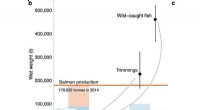
* Overfishing: Unsustainable fishing practices can deplete fish stocks and disrupt marine food webs.
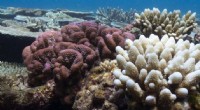
* Habitat Destruction: Coastal development, dredging, and destructive fishing methods destroy vital marine habitats, including coral reefs, mangroves, and seagrass beds.
Positive Impacts:
* Marine Protected Areas: Designating areas for conservation helps protect vulnerable ecosystems and promote marine biodiversity.
* Sustainable Fisheries Management: Implementing quotas, fishing gear restrictions, and other regulations can ensure sustainable fish populations.
* Research and Technology: Advances in marine science and technology contribute to understanding ocean processes and developing solutions for marine conservation.
* Ocean Literacy: Educating the public about the importance of oceans and their interconnectedness with human well-being can lead to more informed and responsible actions.
Overall:
Humans are having a significant impact on the oceans, both positive and negative. The negative impacts pose a serious threat to marine ecosystems and the services they provide, such as food security, climate regulation, and tourism. It's crucial to implement sustainable practices, reduce pollution, mitigate climate change, and support efforts to protect and restore ocean health.