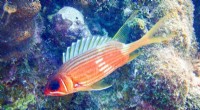
* Corals: Coral reefs are built by colonies of tiny polyps that secrete a hard, calcareous exoskeleton.
* Mollusks: Shells of clams, oysters, snails, and other mollusks are made of calcium carbonate.
* Echinoderms: Sea stars, sea urchins, and other echinoderms have skeletons composed of calcium carbonate plates called ossicles.
* Foraminifera: These single-celled organisms have shells made of calcium carbonate that are important for studying ancient climates.
Advantages of a calcareous skeleton:
* Strength and rigidity: Calcium carbonate is a strong material that provides structural support.
* Protection: The hard skeleton protects the organism from predators and environmental hazards.
* Habitat formation: Calcareous skeletons contribute to the formation of coral reefs and other marine habitats.
Disadvantages of a calcareous skeleton:
* Weight: Calcium carbonate is heavier than other skeletal materials, making it less ideal for organisms that need to move quickly.
* Vulnerability to acidification: Ocean acidification, caused by increased carbon dioxide levels, can dissolve calcium carbonate skeletons, posing a threat to many marine organisms.
In summary:
A calcareous skeleton is a tough, rigid, and protective structure that is essential for many marine organisms. However, its weight and vulnerability to acidification present challenges for these creatures.