Here's a breakdown of what it is and why it's important:
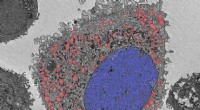
* Composition: Cytoplasm is mostly water (about 70-80%), but it also contains dissolved ions, small molecules, and macromolecules like proteins, lipids, carbohydrates, and nucleic acids.
* Consistency: It's not a simple liquid, but more of a gel-like substance. It can change its viscosity depending on the cell's needs.
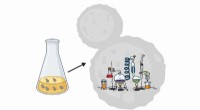
* Function: Cytoplasm serves as the "workbench" of the cell. It's where many essential cellular processes occur, including:
* Metabolic Reactions: The chemical reactions that keep the cell alive happen within the cytoplasm.
* Protein Synthesis: Ribosomes, the sites of protein production, are suspended in the cytoplasm.
* Organelle Movement: Cytoplasm allows organelles to move around the cell.
* Cell Shape: Cytoplasm contributes to maintaining the cell's shape.
Key Takeaways:
* Cytoplasm is the semifluid matrix found inside the cell.
* It's a dynamic mixture of water and other molecules that supports essential cellular processes.
Let me know if you have any other questions!