* Understanding relationships: By grouping organisms, objects, or phenomena, scientists can see how they are connected and how they might be related.
* Making predictions: Knowing how things are classified can help scientists predict the properties or behavior of similar things.
* Communication: Having a standardized way to classify helps scientists share information and findings easily.
Here are some examples of classification in science:
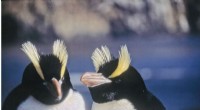
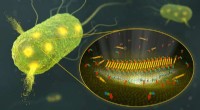
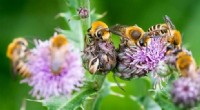
* Taxonomy: The classification of living organisms into different groups based on shared physical and genetic characteristics (e.g., kingdoms, phyla, classes, orders, families, genera, species).
* Periodic Table: The organization of chemical elements based on their atomic number and properties.
* Geological classification: Grouping rocks, minerals, and geological formations based on their composition and formation processes.
* Star classification: Grouping stars based on their temperature, luminosity, and spectral characteristics.
In essence, classifying is about finding order in the chaos of the natural world. By grouping things based on shared features, scientists can better understand the world around them and make new discoveries.