1. Domain: Eukarya
2. Kingdom: Animalia
3. Phylum: Chordata
4. Class: Mammalia
5. Order: Primates
6. Family: Hominidae
7. Genus: Homo
8. Species: Homo sapiens
Explanation:
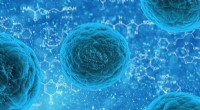
* Domain (Eukarya): Humans are eukaryotic organisms, meaning their cells have a nucleus and other membrane-bound organelles.
* Kingdom (Animalia): Humans are multicellular, heterotrophic organisms that obtain nutrients by ingesting other organisms.
* Phylum (Chordata): Humans possess a notochord (a flexible rod that supports the body) at some point in their development.
* Class (Mammalia): Humans are mammals, characterized by having hair, mammary glands, and giving birth to live young.
* Order (Primates): Humans belong to the order Primates, which includes monkeys, apes, and lemurs.
* Family (Hominidae): Humans are part of the family Hominidae, which includes great apes like chimpanzees, gorillas, and orangutans.
* Genus (Homo): Humans are classified within the genus Homo, which includes other extinct human species like Homo neanderthalensis.
* Species (Homo sapiens): The specific name for humans is Homo sapiens, reflecting our unique biological characteristics and evolutionary history.