1. Textual Description:
* Written reports: These are detailed accounts of the experiment, including the methods, results, and interpretation.
* Research papers: Published articles in scientific journals, often following a specific format (e.g., IMRAD: Introduction, Methods, Results, And Discussion).
* Abstracts: Concise summaries of the experiment, often used for conferences and publications.
* Presentations: Oral presentations at conferences or seminars, using slides or other visual aids.
2. Visual Representations:
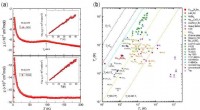
* Tables: Organized data presented in rows and columns, suitable for showing specific values or comparisons.
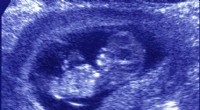
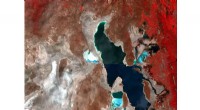
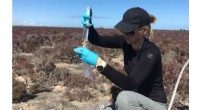
* Photographs and videos: Capturing visual aspects of the experiment or its results.
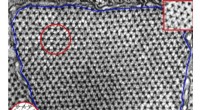
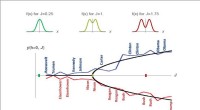
* Diagrams and illustrations: Depicting experimental setups, processes, or results in a simplified and easy-to-understand manner.
* Models: Physical or digital representations of complex systems or structures, helping to visualize and explain experimental findings.
3. Data Analysis and Interpretation:
* Statistical analyses: Using statistical tests to determine the significance of the results.
* Equations and formulas: Representing mathematical relationships and calculations involved in the experiment.
* Algorithms and code: Sharing the computational methods used for data analysis.
4. Interactive Tools:
* Online databases and repositories: Storing and sharing raw data, images, and other resources.
* Web-based tools: Interactive visualizations and simulations to explore data and experiment results.
5. Other Communication Methods:
* Posters: Visual summaries of research presented at conferences.
* Infographics: Visually appealing representations of data and concepts.
* Social media: Sharing research findings and engaging with the scientific community.
The specific methods used will depend on the nature of the experiment, the intended audience, and the desired level of detail.